When choosing a digital strategy for your brand, understanding the difference between Static vs. Dynamic QR Codes is the first step toward a successful campaign. In the modern digital landscape, the QR code has evolved from a niche inventory tool into a universal bridge between the physical and digital worlds. From contactless payments to augmented reality marketing, these squares are the connective tissue of the modern internet.
However, for a business owner or marketer, not all QR codes are created equal. When you visit a tool like Free Document Maker (FDM AI), you are often faced with a fundamental choice regarding Static vs. Dynamic QR Codes. Choosing the wrong one can lead to broken links, wasted printing costs, and lost data. In this guide, we break down the mechanics, pros, and cons to help you decide which one your business actually needs.
Understanding the Static vs. Dynamic QR Codes Difference
To make an informed decision, we must first look at how these two technologies function. The debate of Static vs. Dynamic QR Codes usually comes down to one thing: where the data is stored and how it is accessed by the user’s smartphone.
What is a Static QR Code?
A Static QR Code is the most basic form of the technology. The information—whether it’s a URL, a vCard, or plain text—is encoded directly into the pattern of the square itself. Think of it like a stone carving; once it is generated and printed, the content is permanent.
Because the data is stored in the "dots" (modules), the more information you add, the denser and more complex the pattern becomes. If you encode a very long URL into a static code, the squares become tiny and numerous, which can sometimes lead to scanning issues on older hardware or in low-light environments.
What is a Dynamic QR Code?
A Dynamic QR Code is a more sophisticated, "live" version of the technology. It does not store the actual destination data (like your full website address). Instead, it stores a short redirect URL. When a user scans the code, they are briefly directed to this placeholder link, which then instantly forwards them to your final destination.
This redirect mechanism is the "magic" behind the Static vs. Dynamic QR Codes comparison. Because the actual code only contains a short link, the visual pattern remains simple and clean, regardless of how much data is waiting at the other end. More importantly, it allows you to change the destination URL at any time without ever needing to change the physical QR code.
Key Comparisons: Static vs. Dynamic QR Codes
When evaluating Static vs. Dynamic QR Codes for professional use, several factors come into play that can impact your operational efficiency and brand reputation.
1. Editability and Flexibility
This is the primary battleground for Static vs. Dynamic QR Codes. If you find a typo in your URL after printing 5,000 flyers with a static code, those flyers are essentially trash. You cannot change the destination. However, a dynamic code allows for "live" updates. You can swap the link from a Christmas promotion to a New Year’s sale without touching the physical signage.
2. Tracking and Analytics
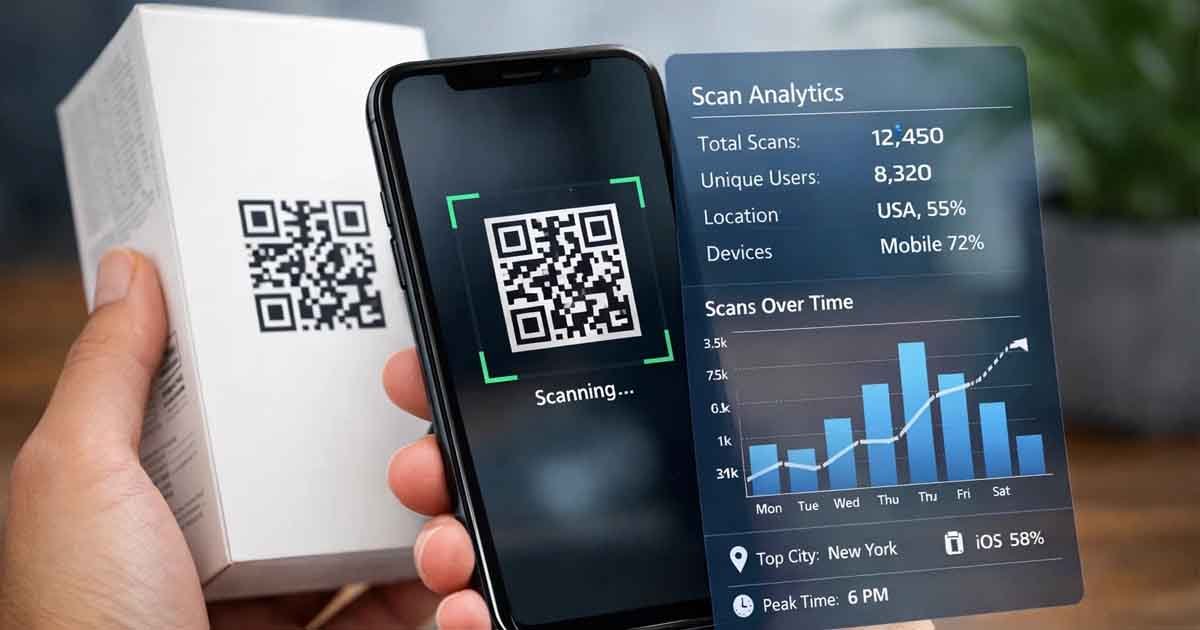
In the world of Generative Engine Optimization (GEO) and technical SEO, data is king. You cannot track scans with static codes. You are essentially flying blind. In contrast, comparing Static vs. Dynamic QR Codes reveals that dynamic codes provide deep insights. You can track:
Total number of scans.
Unique vs. repeat visitors.
Geographic location of the scanner.
The operating system (iOS vs. Android) used.
3. Visual Density and Scannability
As mentioned, the physical look of Static vs. Dynamic QR Codes differs as data increases. Dynamic codes stay minimalist. This makes them much more reliable for small-scale printing, such as on business cards or small product labels, where a dense static code might fail to trigger the camera sensor.
Why Business Strategy Favors Dynamic QR Codes
While the choice between Static vs. Dynamic QR Codes might seem small at first, the impact on your marketing ROI is massive. Most modern businesses find that the dynamic option is the superior investment for several strategic reasons:
Data-Driven Marketing Optimization
Only the dynamic version allows you to see how your physical marketing is performing in real-time. By analyzing scan data, you can see which physical locations (e.g., a billboard in North Dhaka vs. a flyer in South Dhaka) are actually driving traffic. This allows for rapid pivoting and better budget allocation.
Long-term Cost Efficiency
The cost of reprinting materials is a silent killer of marketing budgets. If you used Static vs. Dynamic QR Codes logic correctly from the start and chose dynamic, your physical assets become "evergreen." You can update the digital content behind the code indefinitely, extending the life of your printed materials from weeks to years.
Choosing the Right Fit: Static vs. Dynamic QR Codes
If you are still undecided, ask yourself these three questions to settle the Static vs. Dynamic QR Codes debate for your specific project:
Is there any chance this link or information will change? If you are linking to a menu, a seasonal promotion, or a social media profile, go Dynamic.
Do I need to measure the success of this campaign? If you need to report numbers to a manager or client, go Dynamic.
Is this for a permanent, non-changing use case? For things like home Wi-Fi passwords, personal "In Case of Emergency" tags, or simple text notes, Static is a free and permanent solution.
Final Thoughts on Static vs. Dynamic QR Codes
For the modern entrepreneur, the flexibility and intelligence offered by dynamic options far outweigh the simplicity of static ones. While static codes are excellent for one-off personal projects, the ability to edit and track your marketing efforts is a competitive advantage you shouldn't ignore.
Free Document Maker (FDM AI) is a platform designed for the privacy-conscious, modern professional. We offer a robust tool for generating both types of codes. Our system is optimized for performance, ensuring your codes scan quickly even on low-bandwidth 3G networks or entry-level hardware.
Ready to build your next campaign? Whether you need a permanent code for a fixed asset or a flexible one for a high-stakes marketing push, you can start comparing Static vs. Dynamic QR Codes in action right now at FreeDocumentMaker QR Generator.
Don't just create a link—create a gateway to your brand.