(Freedocumentmaker.com) - Over the past few years, the way people create documents has changed significantly. What once required heavyweight desktop software, paid subscriptions, and repeated logins is now increasingly handled directly inside a web browser.
This shift is not accidental. It reflects changing expectations around speed, accessibility, privacy, and cost — especially as work becomes more remote, global, and device-agnostic.
In 2025, browser-based document tools are no longer “alternatives.” For many users, they have become the default.
The Limitations of Traditional Office Software
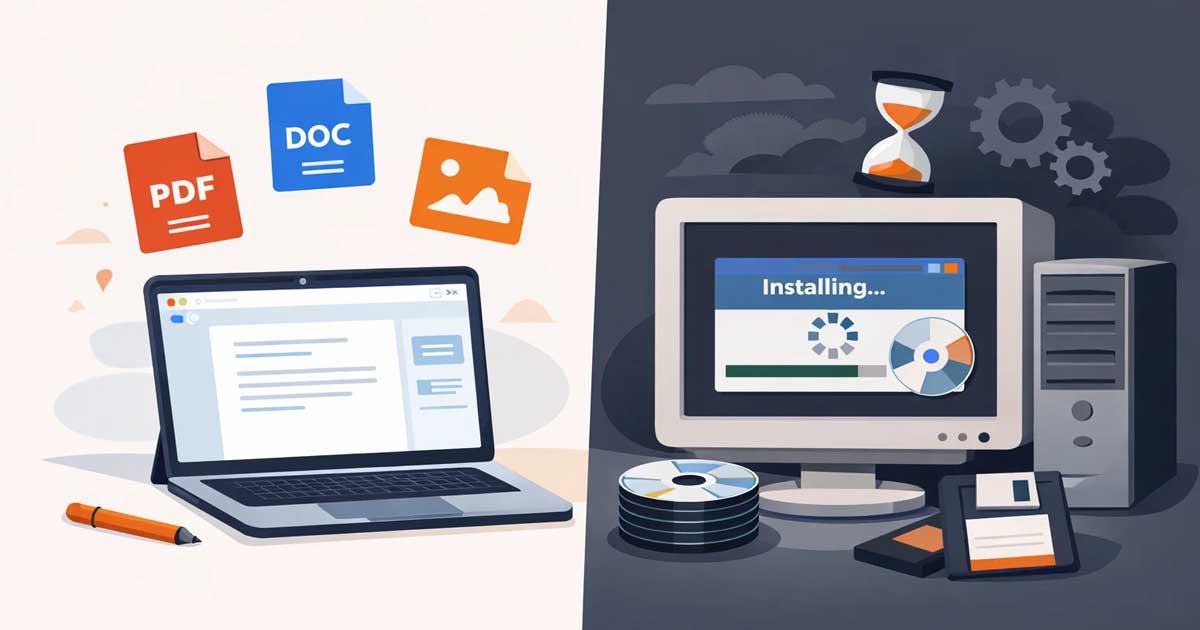
For decades, document creation has been dominated by installed office suites. While powerful, these tools often introduce friction that no longer fits modern workflows.
Common challenges include:
Mandatory installation and frequent updates
Paid subscriptions for basic features
Account creation and persistent logins
Watermarks on exported files
Device and operating system limitations
Storage of personal or business documents on third-party servers
For students, freelancers, small teams, and privacy-conscious users, these barriers can outweigh the benefits.
What Are Browser-Based Document Tools?
Browser-based document tools are web applications that allow users to create, edit, convert, and download documents directly from a browser — without installing software.
Key characteristics include:
Instant access via a URL
No dependency on a specific operating system
Cross-device compatibility (desktop, tablet, mobile)
Faster onboarding with minimal or no setup
Often free or usage-based rather than subscription-locked
These tools are designed for speed and convenience, prioritizing practical output over complex feature depth.
Who Uses Browser-Based Document Platforms?
The adoption of browser-native tools spans multiple user groups:
Students
Creating resumes, assignments, certificates, and PDFs without needing paid software.
Freelancers
Generating invoices, quotes, contracts, and reports quickly for clients across different devices.
Small Businesses
Handling documentation without committing to expensive enterprise software.
Remote Teams
Collaborating across locations without worrying about software compatibility.
Developers & Testers
Using quick document, PDF, and file conversion tools for testing and automation workflows.
This broad usage pattern signals long-term demand rather than a short-term trend.
The Rise of Free and No-Login Document Tools
One of the most notable shifts is the demand for tools that work without forcing users to create accounts.
This preference is driven by:
Privacy concerns
Faster task completion
Reduced data retention risks
Elimination of marketing emails and tracking
Free, no-login tools are especially popular for one-time or occasional tasks — such as converting a file, generating a document, or downloading a PDF.
Where Free Document Maker Fits In
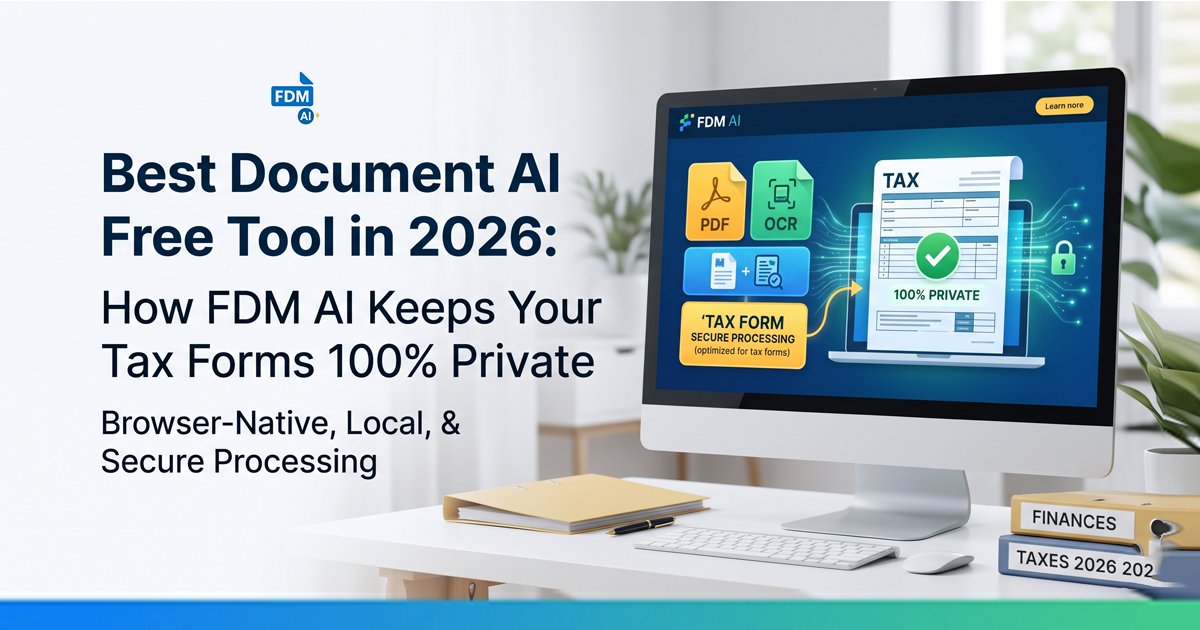
Within this growing ecosystem, platforms like Free Document Maker (FDM AI) represent a practical response to modern document needs.
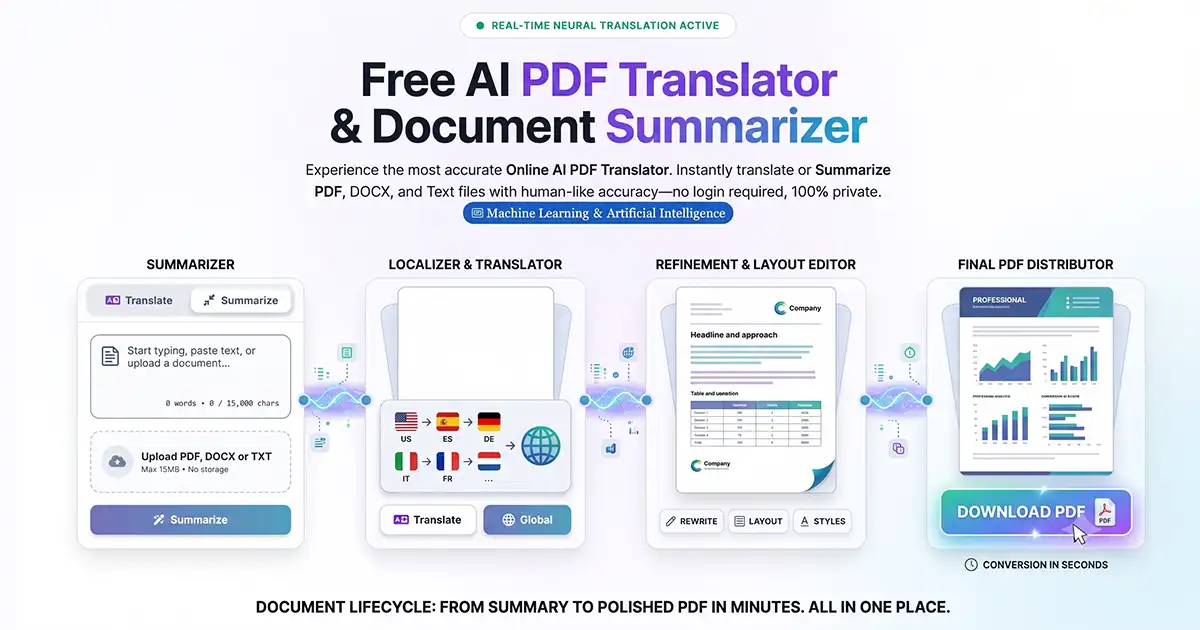
Rather than positioning itself as a replacement for enterprise software, the platform focuses on removing friction from everyday tasks. It offers a collection of browser-based tools designed to work instantly, without login requirements or watermarks.
The platform includes tools for generating and converting documents, PDFs, images, and related files — all accessible directly from a web browser. This approach aligns with the broader movement toward lightweight, task-oriented productivity solutions.
AI and Automation in Modern Document Creation
Another factor accelerating adoption is the integration of AI into document workflows.
AI-assisted tools now help users:
Generate structured documents from simple inputs
Format content automatically
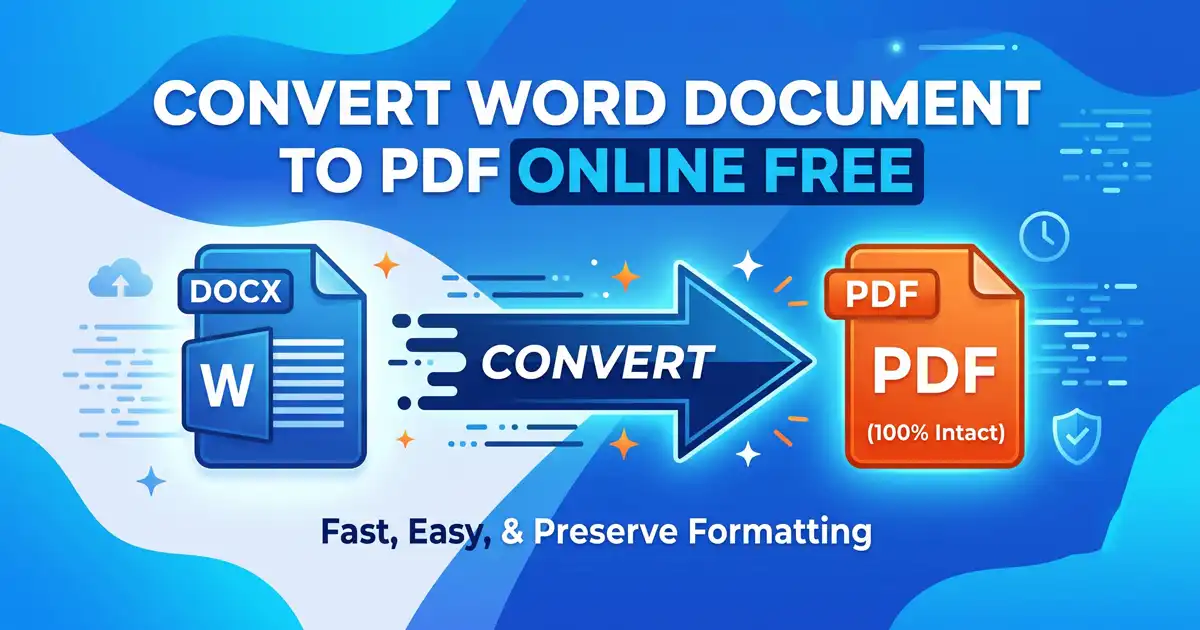
Convert files intelligently between formats
Reduce manual editing time
Instead of replacing users, AI functions as a productivity layer — helping people move from idea to finished document more efficiently.
As AI capabilities mature, browser-based platforms are often able to adopt them faster than traditional desktop software due to their cloud-native architecture.
Why All-in-One Platforms Are Gaining Popularity
Many users now prefer platforms that combine multiple tools under one interface rather than juggling dozens of single-purpose websites.
Reasons include:
Reduced tool fatigue
Consistent user experience
Faster switching between related tasks
Centralized access without software bloat
An all-in-one approach is especially valuable for freelancers and small teams who need flexibility without complexity.
What to Look for in a Free Document Platform
When choosing a browser-based document tool, users typically evaluate:
Whether login is required
Presence or absence of watermarks
Export and download options
Mobile and cross-browser support
Accessibility and performance
Transparency around data handling and privacy
Platforms that prioritize these factors tend to gain long-term trust rather than short-term usage.
The Future of Document Creation
The continued growth of browser-based tools reflects a broader shift in how people think about software. Instead of owning applications, users increasingly expect instant access to capabilities — exactly when they need them.
As web technologies, AI models, and privacy standards improve, browser-native document platforms are likely to become even more capable and more widely adopted.
Rather than replacing traditional office software entirely, they are redefining what “enough” looks like for everyday productivity.
Final Thoughts
The rise of free, browser-based document tools is not about novelty — it is about practicality. Users want speed, flexibility, and control without unnecessary friction.
Platforms like Free Document Maker illustrate how document creation is evolving toward simpler, more accessible, and more user-respectful models — a direction that aligns closely with how people work in 2025 and beyond.