(Free Document Maker (FDM AI) - Artificial intelligence is rapidly transforming how people create digital content. Instead of manually writing documents, designing graphics, or formatting PDFs, modern platforms now use generative AI to automate these processes in seconds.
From students writing reports to businesses generating invoices and creators producing media content, AI generators are becoming essential productivity tools.
This guide explains what generative AI is, how AI generators work, and how they can automatically create text, images, and PDF documents using modern AI technology.
What Is Generative AI
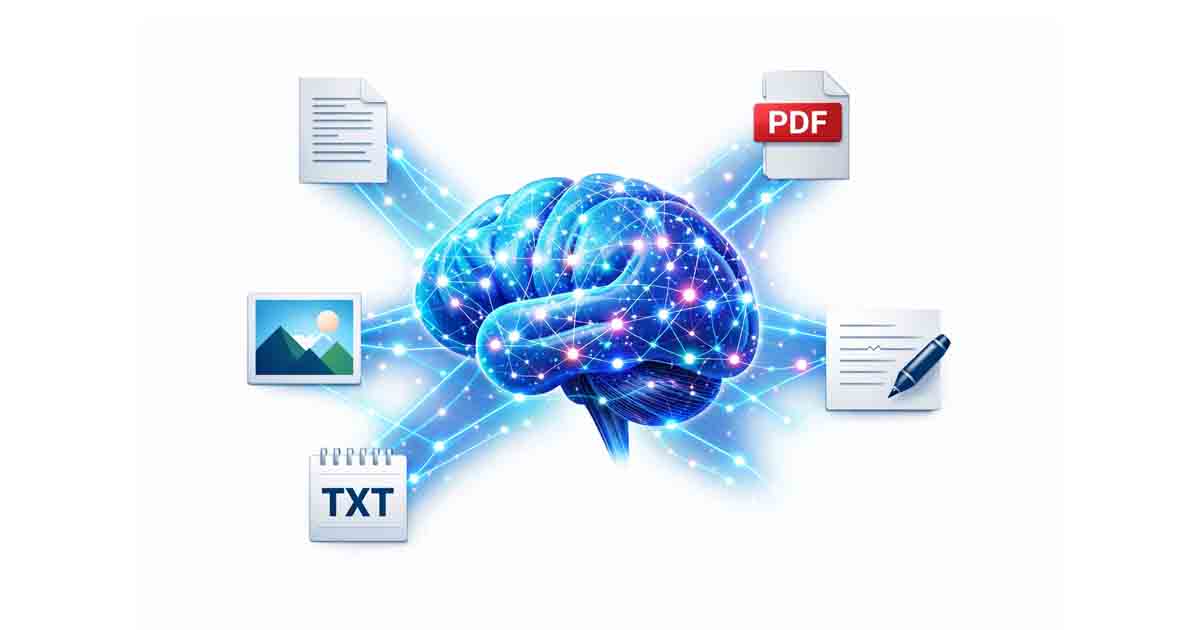
Generative AI refers to a type of artificial intelligence designed to create new content instead of only analyzing data.
Traditional software follows strict commands written by developers. Generative AI, however, learns patterns from large datasets and then produces new outputs based on prompts or instructions from users.
These outputs can include:
Written content
Images and graphics
Documents and PDFs
Audio and voice
Video
Computer code
For example, instead of manually writing a business document, a user can simply provide instructions, and an AI generator can produce a fully formatted result automatically.
What Is an AI Generator
An AI generator is a tool powered by artificial intelligence that automatically produces digital content from user prompts.
Users typically enter simple instructions such as:
Create an invoice template
Write a professional email
Generate a certificate design
Convert images to PDF
The AI system then processes the request and generates the output instantly.
Common types of AI generators include:
AI image generators
AI document generators
AI PDF creators
AI voice generators
AI code generators
These tools dramatically reduce the time required to create professional digital content.
How AI Generators Create Text
AI text generators use advanced language models trained on large amounts of written data.
When a user enters a prompt, the system predicts the most relevant sequence of words based on patterns learned during training.
This allows AI systems to generate:
blog articles
reports
emails
contracts
product descriptions
summaries
Many modern platforms now include AI writing assistants that help users produce high-quality content quickly.
How AI Generates Images
AI image generators use deep learning models trained on millions of images.
When users describe what they want, the AI system creates a new image that matches the prompt.
For example, a user might request:
Create a certificate design
Generate a business infographic
Produce a modern website illustration
The AI model analyzes visual patterns and produces a brand-new image that fits the request.
This technology is widely used in marketing, design, social media, and digital content creation.
How AI Creates PDF Documents
Another powerful use of generative AI is automated document generation.
AI-powered platforms can generate professional documents such as:
invoices
certificates
contracts
reports
resumes
quotes
receipts
Instead of manually formatting these documents, users simply provide the required information and the platform automatically produces a ready-to-download PDF file.
This process saves time and ensures consistent formatting across documents.
You can explore examples of these tools on the Free Document Maker platform, which provides multiple online tools for creating and converting digital documents instantly.
Why AI-Powered Platforms Are Growing Fast
AI-powered platforms are becoming increasingly popular because they simplify complex workflows.
Key advantages include:
Speed
AI generators produce results in seconds instead of hours.
Automation
Tasks such as document formatting, image conversion, and file generation happen automatically.
Accessibility
Most modern AI platforms run directly in the browser without requiring installation.
Cost Efficiency
Many tools provide powerful functionality for free or at a very low cost compared to traditional software.
These benefits make AI tools attractive for freelancers, businesses, educators, and everyday users.
Real-World Uses of AI Generators
Generative AI tools are now used across many industries.
Business
Companies use AI to generate invoices, reports, proposals, and business documents.
Education
Students and teachers use AI tools to create study notes, presentations, and summaries.
Design
Graphic designers use AI image generators for concept art and visual assets.
Content Creation
Bloggers and marketers use AI writing tools to produce articles and marketing content faster.
The ability to generate content instantly is reshaping productivity across many fields.
The Future of Generative AI
Generative AI technology is still evolving rapidly.
Future platforms are expected to provide even more advanced capabilities, including:
fully automated document workflows
AI-generated presentations and spreadsheets
intelligent media editing
real-time collaboration with AI assistants
As these systems improve, AI generators will likely become standard tools for digital productivity.
Conclusion
Generative AI is redefining how digital content is created. Instead of relying on traditional software and manual workflows, AI generators allow users to produce documents, images, and written content instantly.
These tools combine machine learning, natural language processing, and automation to simplify tasks that once required significant time and effort.
As AI-powered platforms continue to evolve, they will play an increasingly important role in helping individuals and businesses work faster, create more efficiently, and automate complex digital workflows.