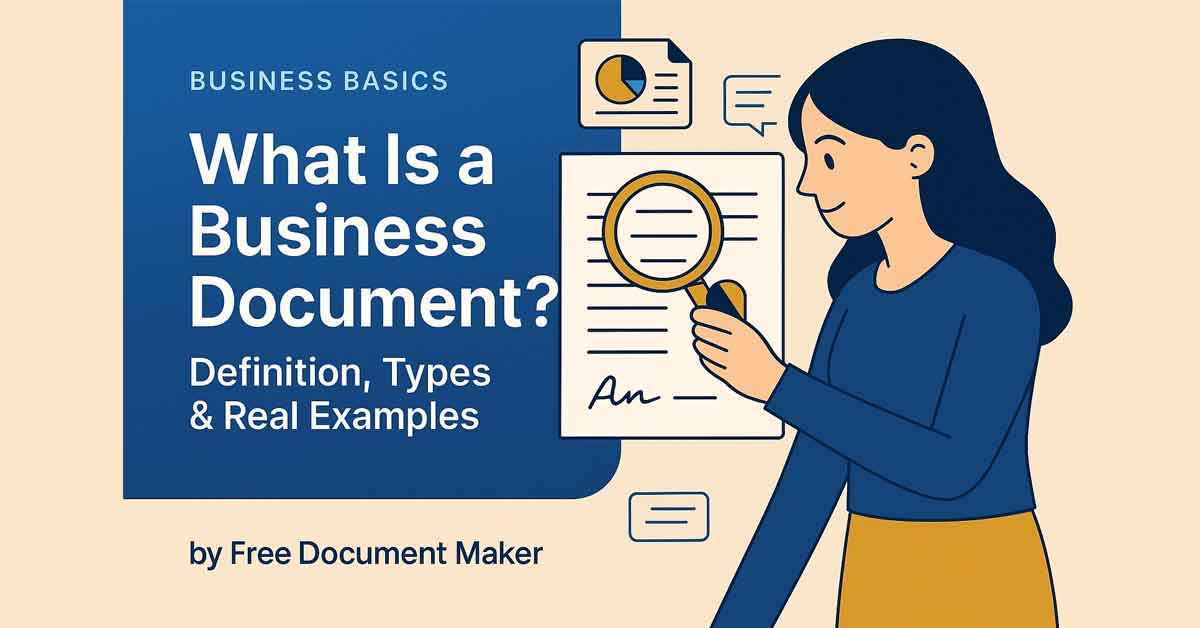
In the modern corporate world, communication is the backbone of success. But how is that communication recorded, shared, and legalized? It all starts with a single question: What is a business document?
Whether you are a freelancer drafting a simple invoice or a CEO signing a multi-million dollar merger, business documents serve as the official record of your professional actions. In 2026, these documents have evolved from static paper files into dynamic, AI-generated assets that drive global commerce.
Defining the Business Document
At its core, a business document is any piece of information—physical or digital—that records a transaction, agreement, or internal operation. These documents provide a "paper trail" that ensures accountability and legal protection.
If you need to draft professional content from scratch, using an AI Document Writer is the fastest way to ensure your definitions and data are industry-standard.
The 4 Main Categories of Business Documents
To better understand how these files work, we can categorize them into functional groups:
1. Financial Documents
These are the records that track the movement of money. They are vital for audits and ensuring a company remains profitable.
Examples: Use an Invoice Generator for billing or a Payment Receipt Generator to confirm completed transactions.
2. Legal and Agreement Documents
These establish the rules of a professional relationship and provide protection in case of disputes.
Examples: Service contracts, NDAs, and partnership papers. You can quickly draft these using a professional Agreement Generator.
3. Employment Documents
These manage the relationship between the employer and the staff.
Examples: When hiring, a formal Job Offer Letter Generator ensures all legal and professional details are covered from day one.
4. Networking & Marketing Documents
Even small items used for branding fall under the business document umbrella.
Examples: A professional Business Card Generator creates the "mini-documents" that represent your identity in the physical world.
Global Business: Overcoming Language Barriers
In today's interconnected market, a business document often needs to be understood across borders. If you are dealing with international partners, using a specialized Translator for your business documents ensures that your terms and conditions remain accurate in every language.
Why Document Creation is Shifting to AI
Knowing what is a business document is only half the battle; the real challenge is creating them accurately and quickly. Historically, drafting a legal contract or a detailed project proposal took hours of manual typing.
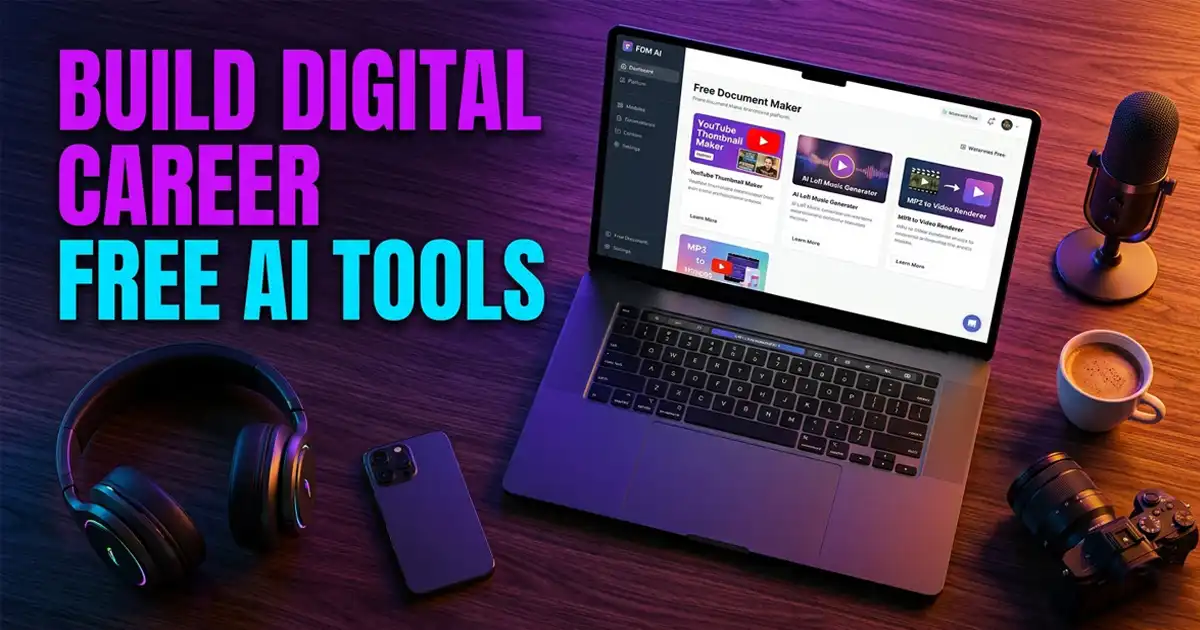
In 2026, tools like Free Document Maker (FDM AI) have revolutionized this process. Using the fdmGTP engine, businesses can now generate complex documents from simple prompts.
The FDM AI Advantage:
Instant Generation: No more staring at a blank page. Input your data and get a formatted document in seconds.
Privacy-First: Unlike older platforms, FDM AI operates with a no-login philosophy. Your sensitive business data isn't stored in a database.
Zero Watermarks: Professional business documents must look clean. FDM AI provides high-quality, watermark-free files ready for official use.
Best Practices for Managing Your Business Documents
Be Consistent: Use the same branding and formatting across all company files.
Prioritize Security: Store sensitive documents in encrypted environments.
Go Digital-First: Digital documents are easier to search, share, and backup than physical paper.
The Bottom Line
A business document is more than just words on a page; it is a tool for growth and security. By mastering the various types and utilizing modern tools like the fdmGTP engine, you can ensure your business remains organized and ready for the future.
Ready to draft your next official file? Use The Free Document Maker to create professional, privacy-focused documents in seconds.